Introduction
In a previous blog article, I discussed joint complaints related to the consumption of asparagus. I reported that asparagus contains purines, from which uric acid can be formed.
Gout
If we have too much uric acid in the body, the disease gout can develop. Gout manifests itself, among other things, through very painful, red, and swollen joints, especially in the toes and fingers. The big toe is often affected. Over time, movement restrictions and deformities of the joints can occur. Kidney damage may also occur due to the deposition of uric acid crystals.
Treatment of gout in Ayurveda
Today I would like to explain the Ayurvedic approach to the treatment of elevated uric acid and gout.
I previously mentioned that elevated uric acid sometimes also has a genetic component.
In Ayurveda, this corresponds to the different constitutions (Vata, Pitta, Kapha or the mixed types resulting from them).
People with increased Pitta tend to have more acidity and elevated uric acid more often than other constitutions. In addition, they may have an increased appetite, which may also be oriented toward meat.
If increased Vata is also present, uric acid can crystallize in the joints and lead to symptoms. This is what we know as gout. In Ayurveda, gout is referred to as “vatarakta,” which means something like contaminated blood influenced by Vata.
Important therapeutic measures for the treatment of gout in Ayurveda include reducing Pitta and purifying the blood. In addition, Vata must be balanced, Agni (digestive fire/metabolism) must be stimulated, and Ama (metabolic waste products – in the case of gout referring to uric acid crystals) must be eliminated.
Dietary recommendations for gout from Ayurveda
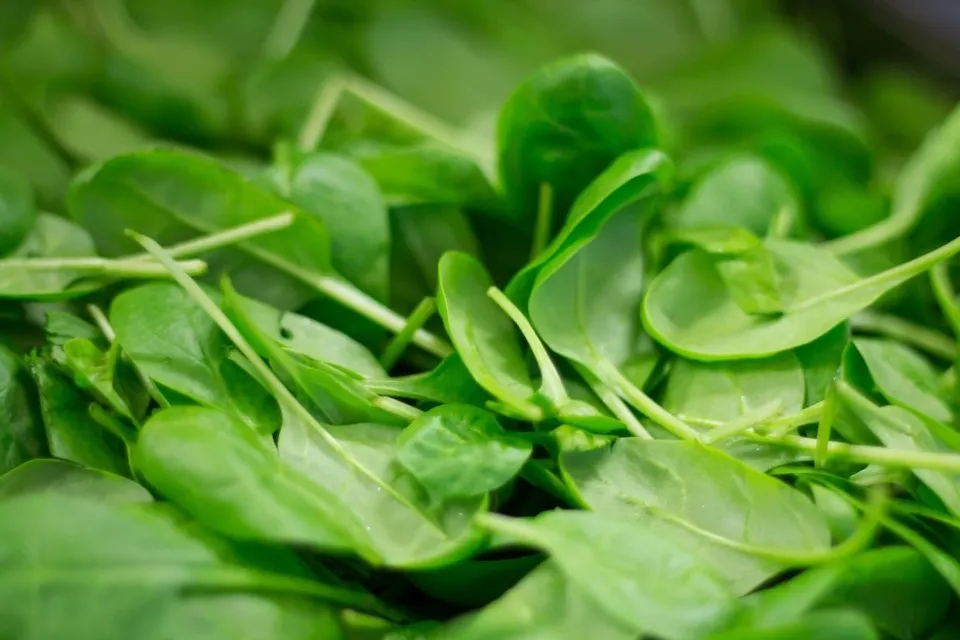
Reduce your consumption of meat, sausages, seafood, eggs, herring, Brussels sprouts, asparagus, spinach, tomatoes, dairy products, legumes, and alcohol (especially beer).
Please note:
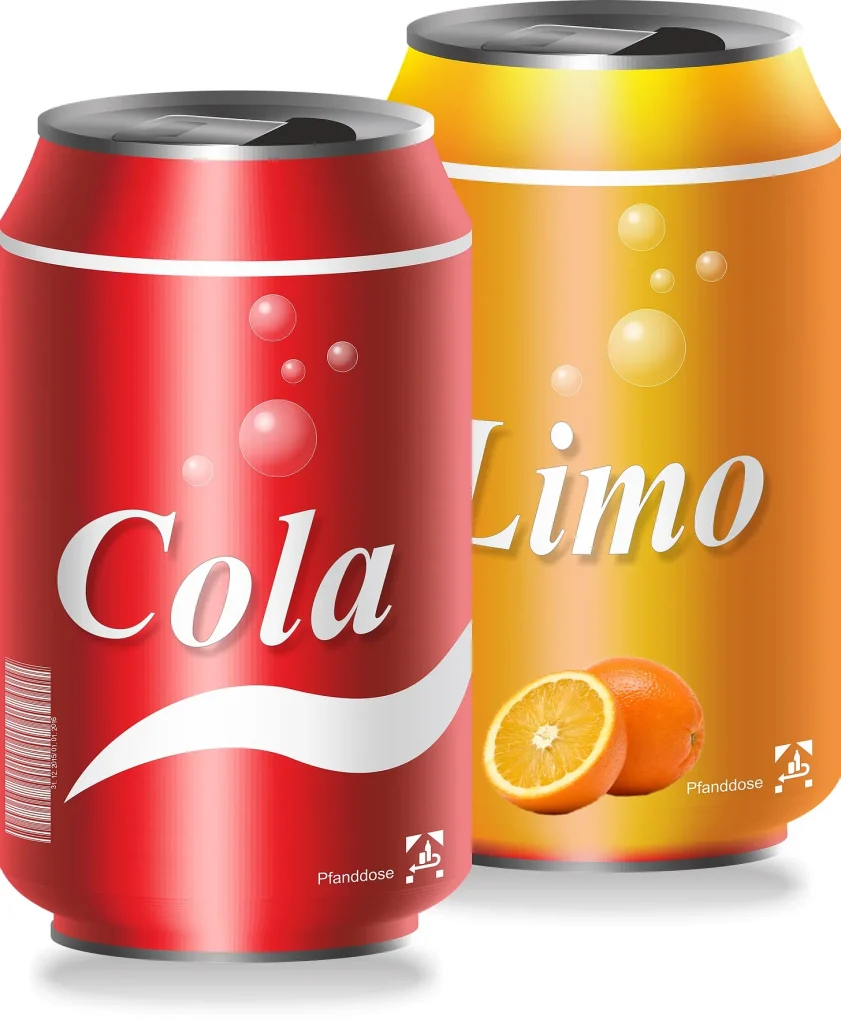
Eat little sour, spicy, salty, fried, and fatty foods, avoid foods that you personally do not tolerate, and instead consume more bitter foods (see my article on bitter substances). Please also avoid too many fruits, fruit juices, cola, and lemonade. These all contain fructose and can increase uric acid levels.
Drink plenty of water
And as I have written several times before: drink plenty of (warm) water!
I hope that with my two articles on elevated uric acid and gout I was able to contribute a few new ideas regarding your diet!
Important note:
The content of this blog/newsletter is provided for general informational purposes only and does not replace personal medical advice, diagnosis, or treatment. The information presented here should therefore not be used as the sole basis for making health-related decisions. If you experience any medical complaints, you should in any case seek professional medical advice.
Vibrant Longevity Blog
How can you recover your health? How can you stay healthy?
Holistic physician and author Dr. Katja Aschenbrenner, MD, shares valuable insights from her clinical practice on functional medicine, gut health, hormones, Ayurveda, and everything that keeps us truly alive — for anyone who wants to understand their health and achieve vital longevity.
About Dr. Katja Aschenbrenner, MD
I am Dr. Katja Aschenbrenner. When no one else can find the root cause, my work begins. I support people with persistent exhaustion, unclear symptoms, or chronic illnesses using an integrative and functional medicine approach.
Connect with me
Stay up to date and connect with me on social media.