Introduction
A tick bite often appears harmless at first. The tick is removed, the spot may itch briefly, and after a few days the matter seems to be settled. Many people therefore think: „It can’t be that bad.“
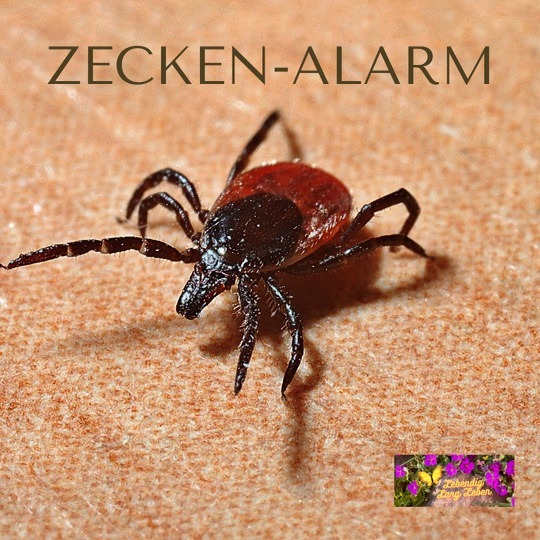
In reality, not every tick bite leads to illness. Nevertheless, ticks should not be underestimated. They can transmit pathogens that can burden the body in the short term, but also in the long term.
Most people are primarily familiar with two diseases: Lyme disease and TBE (tick-borne encephalitis). This is important, but not complete. Ticks can also transmit other pathogens, for example Bartonella, Babesia, Anaplasma, or Rickettsia. Especially if symptoms persist for weeks or months after a tick bite, a closer look is worthwhile.
Why Tick Bites Should Be Taken More Seriously Today
Not Every Bite Is Dangerous – But Every Bite Should Be Taken Seriously
A tick bite itself is usually not the problem. It becomes dangerous when the tick transmits disease-causing pathogens. This is exactly what makes the topic so insidious: the bite often doesn’t hurt and sometimes goes unnoticed.
In addition, many symptoms after a tick bite are non-specific. Fatigue, headaches, body aches, or concentration problems can have many causes. This is why the connection to a tick bite is often overlooked.
In Germany, ticks are primarily known for Lyme disease and TBE. Lyme disease is a bacterial infection that can affect the skin, joints, nerves, and rarely the heart. TBE is a viral disease that in severe cases can lead to inflammation of the brain, meninges, or spinal cord.
Lyme Disease After a Tick Bite: The Best-Known Risk
The Bull’s-Eye Rash Is Important, But Not Always Present
A typical sign of Lyme disease is the so-called erythema migrans (bull’s-eye rash). A growing redness around the bite site appears days to weeks after the tick bite. It can look ring-shaped, but doesn’t have to.
Importantly: not every person with Lyme disease recalls a tick bite. And not every Lyme disease presents with a classic bull’s-eye rash. Therefore, other symptoms should also be taken seriously, especially if they occur after time spent outdoors or after a known tick bite.
Possible symptoms of Lyme disease may include:
* increasing redness at the bite site,
* flu-like illness,
* headaches and body aches,
* joint pain,
* nerve pain,
* tingling or numbness,
* facial palsy,
* severe fatigue.
When Lyme disease is detected early, it is generally well treatable. It becomes problematic when the infection goes unnoticed for a long time or symptoms are not correctly classified.
Chronic Symptoms After a Tick Bite: When the Body Does Not Recover
Fatigue, Pain, and Brain Fog Should Be Taken Seriously
Some people feel they are no longer truly healthy after a tick bite. They report persistent fatigue, muscle aches, joint pain, or the feeling that their mind is no longer as clear as it used to be. Many describe this condition as brain fog – a kind of fog in the head.
Such symptoms can be very burdensome. They can significantly impair everyday life, work, sleep, and quality of life.
Possible chronic or longer-lasting symptoms after a tick-borne infection include:
* persistent fatigue,
* rapid overload with physical or mental exertion,
* muscle and joint pain,
* headaches,
* sleep disorders,
* concentration problems,
* word-finding difficulties,
* nerve pain,
* tingling or numbness,
* dizziness,
* palpitations,
* recurring flu-like symptoms.
The American health authority CDC also describes that some people after treated Lyme disease can continue to suffer from fatigue, pain, or thinking and concentration problems. At the same time, it is important: such symptoms can have many causes. They should therefore always be carefully evaluated medically.
More Than Borrelia: What Other Pathogens Ticks Can Transmit
Co-Infections Can Intensify or Alter Symptoms
With ticks, only Borrelia is often considered. In practice, however, the topic is broader. Ticks can transmit various pathogens. Sometimes the term co-infections is used. This means: in addition to Borrelia, other pathogens may be involved.
These co-infections can cause symptoms to look different, be more pronounced, or persist longer. They can also explain why some disease courses are not as „typical“ as one knows from textbooks.
Bartonella
Bartonella are bacteria that can be associated with various symptoms. These include general malaise, pain, neurological complaints, or unusual skin and vascular reactions. The diagnosis is not always straightforward. This is why a thorough medical history is particularly important here: When did the symptoms begin? Were there tick bites? Were there skin changes? Are there neurological or systemic complaints?
Babesia
Babesia are not bacteria, but single-celled parasites. They can infect red blood cells. Typical symptoms can include fever episodes, night sweats, chills, severe weakness, or shortness of breath on exertion. Especially with unusual blood values or recurrent fever, such pathogens should be considered.
Anaplasma
Anaplasma are bacteria that can be transmitted by ticks. Common symptoms include fever, headache, chills, and muscle pain. Symptoms often begin within one to two weeks after a tick bite, although many affected individuals do not even recall a bite.
Rickettsia
Rickettsia can also be transmitted by ticks. Depending on the pathogen, fever, headaches, muscle pain, skin rashes, or pronounced malaise can occur. Such infections are less common in Germany than Lyme disease or TBE, but should not be forgotten when symptoms match.
Tick Bites and Chronic Illness: What Is the Connection?
Infections Can Be a Trigger for Persistent Symptoms
Not every chronic fatigue comes from a tick bite. Not every pain is Lyme disease. And not every positive lab value automatically means an active infection.
Nevertheless, it is important to understand: infections can be a trigger for longer-lasting symptoms in some people. This applies not only to infections after a tick bite, but also to other bacterial and viral infections.
In some patients, symptoms develop after an infection that can resemble conditions such as ME/CFS or Mast Cell Activation Syndrome, abbreviated MCAS, or the infection triggers these conditions.
Typical symptoms can include:
* severe fatigue,
* worsening after exertion,
* circulatory problems,
* inner restlessness,
* sleep disorders,
* food intolerances,
* skin reactions,
* gastrointestinal complaints,
* brain fog.
Especially with such complex symptoms, it is important not to hastily identify a single cause. Broad, structured diagnostics are sensible. This includes the medical history, possible tick bites, infections, lab values, immune system, gut health, hormonal status, nutrient supply, and other possible burden factors.
Why Ticks Seemed Less Problematic in the Past
Many Connections Were Simply Not Recognized Before
Many people remember having ticks more frequently as children. Some patients tell me: „Back then nothing happened either.“ This can be true in individual cases. But one should not conclude from this that ticks are generally harmless.
In the past, many connections were simply recognized less often. Chronic fatigue, joint pain, nerve pain, or concentration disorders were often not connected to past infections. Additionally, our knowledge about tick-borne diseases has expanded significantly.
Environmental factors also play a role. Due to climate change, we have milder winters and longer warm periods during which ticks are active.
TBE: The Disease You Can Vaccinate Against
Especially Important in Risk Areas
TBE is a viral disease. Unlike Lyme disease, it cannot be treated with antibiotics. Many TBE infections run mild or go unnoticed. In more severe cases, however, the meninges, brain, or spinal cord can be affected.
There is a vaccination against TBE. It is especially recommended for people who live in TBE risk areas or regularly spend time outdoors there. Here you can find the risk areas designated by the Robert Koch Institute for 2026.
Anyone who spends a lot of time outdoors – hiking, gardening, jogging, walking the dog, or living in a risk area – should think about vaccination and seek medical advice.
What You Should Do After a Tick Bite
Remove the Tick Quickly and Monitor the Site
The sooner a tick is removed, the better. Use fine-tipped tweezers or a suitable tick removal tool. Grasp the tick as close to the skin as possible and pull it out slowly. In the video, I show tick removal tools and their (simple) operation.
Important:
* Do not squeeze the tick,
* do not use oil,
* do not use glue,
* do not use home remedies,
* disinfect the bite site,
* note the date,
* photograph the site,
* observe symptoms over the following weeks.
A photo of the bite site can be helpful later if redness develops or symptoms occur.
A special tip from me: Keep the dead tick in a sealable plastic bag. Some laboratories offer to examine the tick for pathogens. This way, if new symptoms arise later, it can be checked whether the tick was actually a carrier of pathogens.
When Should You See a Doctor?
These Signs Should Be Evaluated
Please seek medical advice if any of the following signs occur after a tick bite:
* growing redness,
* bull’s-eye rash (erythema migrans),
* fever,
* chills,
* severe headaches or body aches,
* pronounced fatigue,
* joint pain,
* nerve pain,
* numbness or tingling,
* facial palsy,
* neck stiffness,
* rapid heartbeat or heart palpitations,
* symptoms that persist for weeks.
Also important: always mention the tick bite when visiting the doctor – even if it was weeks or months ago. This information can be decisive for interpreting your symptoms.
Preventing Tick Bites: The Best Protection Starts Before the Bite
Simple Measures Can Make a Big Difference
You don’t need to avoid nature. Nevertheless, you can significantly reduce your risk.
Sensible protective measures include:
* wearing long clothing in tall grass,
* choosing closed shoes,
* wearing light-colored clothing so ticks are more easily visible,
* tucking trouser legs into socks,
* using tick repellent,
* thoroughly checking yourself after time spent outdoors,
* checking children particularly carefully,
* also checking dogs and cats for ticks.
Ticks frequently sit in the backs of knees, groin, armpits, on the abdomen, behind the ears, or at the hairline. These spots in particular should be checked after spending time outdoors.
Conclusion: Don’t Dramatize Ticks, But Don’t Underestimate Them Either
A tick bite is not automatically dangerous. Many bites remain without consequences. Nevertheless, ticks can transmit pathogens that can cause serious and sometimes longer-lasting symptoms.
Looking beyond Lyme disease and TBE is particularly important. Other pathogens such as Bartonella, Babesia, Anaplasma, or Rickettsia can also play a role. If persistent fatigue, pain, brain fog, neurological complaints, or recurring flu-like symptoms occur after a tick bite, this should be evaluated medically.
So: neither panic nor trivialization. What matters is attention, prevention, quick tick removal, and thorough diagnostics if symptoms occur.
If you are unsure after a tick bite or notice persistent symptoms, consult your physician for advice.
Important Note:
The blog posts serve general education and information purposes. They cannot and should not replace medical advice, diagnosis or treatment in any case. You should therefore not use the information provided here as the sole basis for health-related decisions. If you have any complaints, you should in any case seek professional medical advice.